

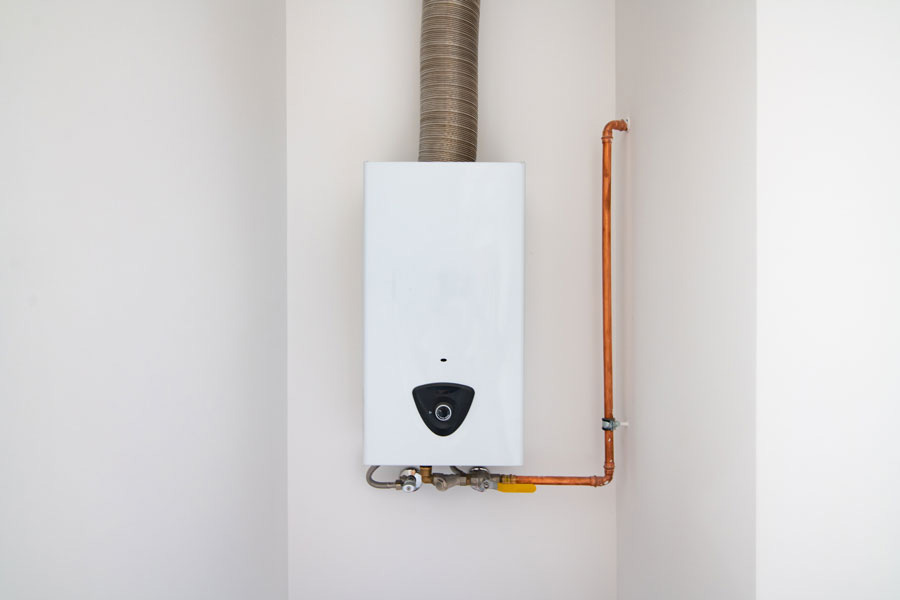
While traditional water heaters store hot water, tankless units provide it on demand. This modern approach can save space and energy, but installing one requires careful planning. You’ll need to assess your household’s hot water needs and choose the right equipment. Understanding the installation process is essential for ensuring efficiency and compliance with local regulations. Let’s explore the step-by-step guide to help you achieve a successful installation in Tacoma, WA.
Understanding Tankless Water Heaters
If you’re considering an upgrade for your home’s hot water system, understanding tankless water heaters is essential. Unlike traditional units, tankless water heaters heat water on demand, providing a continuous supply. This means you won’t run out of hot water during a shower or while doing laundry.
Plus, they’re more energy-efficient since they only use energy when hot water is needed, potentially lowering your utility bills.
These systems come in various sizes and capacities, allowing you to choose one that fits your household’s needs. Installation can be more complex than standard heaters, often requiring changes to your home’s plumbing and electrical systems. However, the long-term benefits, such as increased lifespan and lower maintenance costs, often outweigh the initial investment. By choosing a tankless system, you’re opting for convenience and efficiency, making it a smart choice for modern living. Additionally, expert plumbers ensure correct installation to optimize functionality and reliability.
Assessing Your Home’s Hot Water Needs
How do you determine the right size and capacity for a tankless water heater in your home?
First, you need to assess your household’s hot water needs. Start by considering the peak demand times when multiple fixtures might be in use simultaneously.
Here are four key factors to evaluate:
- Flow Rate: Calculate the flow rate (in gallons per minute) of each fixture, such as showers, faucets, and appliances.
- Temperature Rise: Determine the difference between your incoming water temperature and your desired output temperature.
- Usage Patterns: Think about your daily hot water usage—do you often run multiple showers or appliances at once?
- Household Size: Consider how many people live in your home, as larger households typically require higher capacity. Additionally, consulting with highly trained technicians can help ensure you select the right model for your specific needs.
Choosing the Right Location for Installation
Where you decide to install your tankless water heater can greatly impact its efficiency and performance.
First, consider proximity to your main water supply and the areas where you’ll need hot water most, like the kitchen and bathrooms. This minimizes the wait time for hot water to reach your taps.
Next, verify the location has proper ventilation, especially if you’re choosing a gas-powered unit.
It’s also essential to avoid areas exposed to freezing temperatures, as this could damage the unit.
You’ll want to install it at a height that’s easily accessible for maintenance, so think about wall-mounting in a utility room or garage.
Finally, check local building codes and regulations to confirm compliance. Additionally, addressing any potential water leak issues during installation can prevent costly future repairs.
Choosing the right spot not only enhances performance but also extends the lifespan of your tankless water heater, making your investment worthwhile.
Step-by-Step Installation Process
- Tankless Water Heater Unit – Confirm it’s the right size for your home’s needs.
- Piping and Connectors – Copper or PEX piping is commonly used.
- Tools – A wrench, screwdrivers, and a drill will be vital.
- Safety Gear – Don’t forget gloves and goggles for protection.
Once you have everything, follow these steps:
First, turn off the water and power supply.
Next, install the heater according to the manufacturer’s instructions, making sure to connect the water and gas lines securely.
Then, set the temperature controls.
Finally, turn the water and power back on, allowing the unit to fill and heat up.
Make sure to test it for leaks and proper operation.
If you encounter any issues, consider reaching out for professional water heater repair services to ensure everything is functioning correctly.
Enjoy your endless hot water!
Maintenance Tips for Optimal Performance
To keep your tankless water heater running efficiently, regular maintenance is essential. Start by descaling the unit at least once a year to prevent mineral buildup, especially if you have hard water. Use a vinegar solution or a descaling product specifically designed for tankless heaters.
Check the filters every few months and clean or replace them as needed to maintain peak water flow.
Inspect the venting system periodically to verify there are no blockages, which can lead to dangerous gas buildup.
Don’t forget to test the pressure relief valve annually to confirm it’s functioning correctly.
Additionally, consider scheduling professional maintenance with Dear Services, which can provide expert care and catch potential issues early.
With these simple steps, you’ll extend the life of your tankless water heater and keep your hot water flowing smoothly when you need it.
Conclusion
By now, you’ve learned how to install a tankless water heater in Tacoma, WA, ensuring it meets your household’s needs. Remember, selecting the right unit and following the installation steps carefully are key to enjoying endless hot water. Don’t forget regular maintenance to keep it running smoothly. With a little effort, you’ll have a reliable system that not only saves space but also energy, proving that on-demand hot water isn’t just a theory—it’s your new reality.