


When using a generator, safety should always be your top priority. It’s crucial to know where to place your generator and how to handle fuel properly. Many homeowners overlook these critical aspects, leading to potential hazards. Understanding the right practices can make a significant difference in your generator’s efficiency and safety. So, what steps should you take to guarantee you’re using your generator safely and effectively? Let’s explore some key tips that every homeowner should know.
Understanding Generator Types and Their Uses
When it comes to generators, understanding the different types can help you choose the right one for your needs.
Portable generators are perfect for temporary use, like camping or powering essential appliances during outages. They’re lightweight and easy to transport but require manual setup.
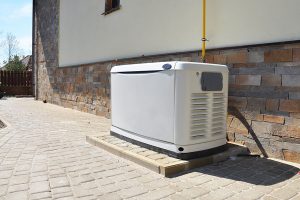
Standby generators, on the other hand, provide a seamless solution; they automatically kick in during power failures, supplying power directly to your home’s electrical system.
If you need an eco-friendly option, consider solar generators, which harness sunlight but mightn’t offer the same power output.
Inverter generators are another great choice, delivering stable power for sensitive electronics and running quietly.
Each type serves a specific purpose, so think about your power requirements, usage frequency, and budget. Additionally, proper installation of your generator is essential to ensure reliable functionality during outages and compliance with safety standards.
Proper Placement and Ventilation for Generators
Proper placement and ventilation are essential for guaranteeing your generator operates safely and efficiently.
Always set your generator outdoors, at least 20 feet away from windows, doors, and vents to prevent carbon monoxide buildup inside your home. Avoid placing it on wet ground; instead, use a level, dry surface to minimize the risk of electrical shock.
Make sure the generator has ample airflow. Don’t cover it with tarps or blankets while it’s running, as this can obstruct ventilation and lead to overheating.
If your generator has a built-in muffler, position it away from high-traffic areas to reduce noise.
Also, check local regulations regarding generator placement, as some areas have specific guidelines. It’s also important to ensure you have access to 24/7 emergency plumbing services in case of any unexpected issues with your generator’s installation or connections.
Safe Fuel Handling and Storage Practices
To guarantee the safe operation of your generator, it’s crucial to follow proper fuel handling and storage practices.
Always use the recommended fuel type for your generator, as specified in the owner’s manual. When refueling, make sure the generator is turned off and cool to prevent fires. Never smoke or allow open flames near the fueling area.
Store fuel in approved containers, clearly labeled, and keep them in a cool, dry place away from direct sunlight. Avoid overfilling containers to prevent spills and always securely fasten the lids to minimize evaporation.
If you spill fuel, clean it up immediately and dispose of any rags or materials used safely.
Keep fuel containers out of reach of children and pets to protect their safety. By adhering to these practices, you’ll help protect your home and family while ensuring your generator runs efficiently when you need it. Additionally, consider regular maintenance checks for your generator to ensure it operates smoothly, as professional service can significantly enhance its reliability.
Regular Maintenance and Inspection Guidelines
After verifying safe fuel handling and storage practices, the next step in keeping your generator in peak condition is regular maintenance and inspection.
Start by checking the oil level and changing it as recommended, usually every 50 to 100 hours of operation. Inspect the air filter for dirt and replace it if necessary to guarantee ideal airflow. Don’t forget to examine the spark plugs; clean or replace them to maintain efficient ignition.
Additionally, check the battery connections for corrosion and make sure they’re tight. Test your generator monthly by running it under load for 30 minutes, which helps identify any issues.
Keep the generator clean and free of debris to prevent overheating. Finally, refer to the manufacturer’s manual for specific guidelines tailored to your model. Implementing regular maintenance can help ensure your home’s plumbing system remains in top condition, similar to the way re-piping services protect your property from costly repairs.
Emergency Preparedness With Your Generator
While you may hope for the best during a power outage, being prepared for emergencies with your generator can make all the difference. Start by verifying your generator’s fuel supply is full and that it’s in good working order. Regularly test it to confirm it’s functional when you need it most. Keep a supply of essential items, like extension cords and fuel, readily available.
Create a clear plan for where and how you’ll use your generator during an outage, guaranteeing it’s set up outdoors to avoid carbon monoxide buildup. Familiarize yourself with the proper operation to minimize risks.
Consider keeping emergency numbers, including your local utility and a trusted service provider like Dear Services, handy for quick access. This way, you’ll be ready to handle any situation that arises.
With the right preparations, you can guarantee your home stays safe and comfortable during unexpected power outages.
Conclusion
In summary, prioritizing proper precautions guarantees your generator’s performance and your family’s safety. By being aware of generator guidelines, you can confidently conquer outages while keeping carbon monoxide at bay. Remember to maintain your machine, manage fuel thoughtfully, and make safety a shining star in your emergency preparations. Stay savvy and safe, and you’ll navigate any power predicament with peace of mind, knowing you’ve taken the necessary steps to safeguard your home in Auburn, WA.