

As home services technology evolves, more Washington property owners are asking themselves, “Should I replace copper pipes in my home?”
Copper plumbing has been a cornerstone of residential water systems for decades, offering durability, resistance to bacteria, and reliability under high water pressure. However, even the best materials age, and copper pipes are no exception.
DEAR Services, the leader in plumbing services in Bothell, WA, helps customers with the sometimes difficult question of whether they need plumbing upgrades and, if so, what materials to use. Below, we take a deeper look into the continuing viability of copper plumbing.
Copper Plumbing Lifespan Considerations
Copper pipes typically last between 50 and 70 years, depending on factors like installation quality, water conditions, and pipe type.
Many of the homes in Bothell, WA, built during the mid-20th century may still have their original plumbing. Of course, that means their plumbing may be approaching or exceeding their expected lifespan.
Type K copper pipes, known for their thickness and durability, tend to last longer than Type M pipes, which are thinner and more commonly used in residential plumbing. If you’re unsure about the type of copper piping in your home, consult an expert plumber to assess the status of your system.
Signs You May Need to Replace Your Existing Copper Pipes
“Should I replace copper pipes in my home? Here are key indicators that it may be time to give it some serious thought.
Pipe Corrosion
Over long periods, acidic or hard water can lead to pipe corrosion. The leading indicators of corrosion are green or white deposits on the exterior surface of copper pipes. The chemical reactions that cause corrosion weaken pipes structurally and lead to a higher risk of leaking or bursting.
Pipe Leaks
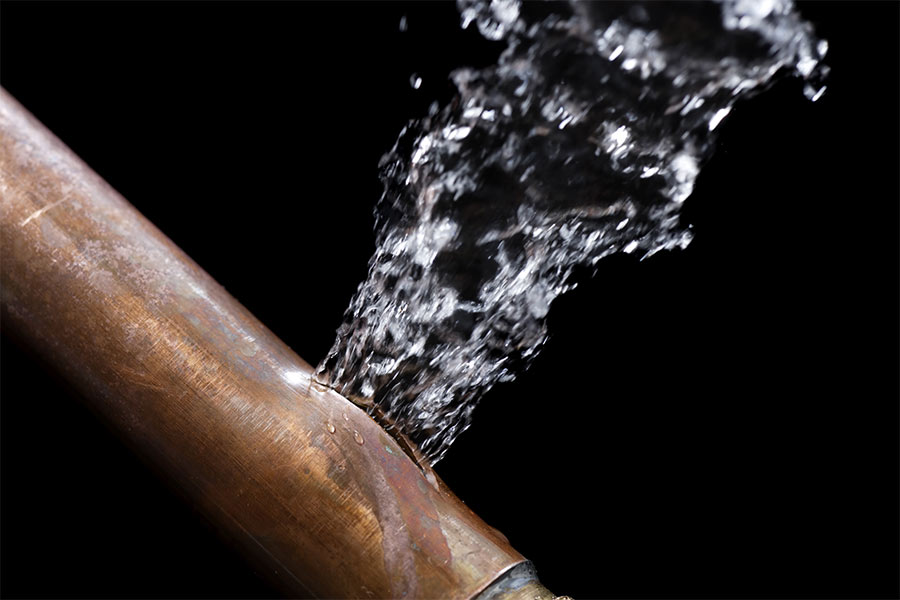
As copper pipes age, frequent leaks that pop up in multiple locations are warning signs of system aging more than isolated problems. Professional repiping services can quickly become a more economically prudent plan than continuous repairs.
Water Pressure Issues
Inconsistent water pressure often stems from mineral buildup or corrosion inside copper pipes. These issues shrink the internal diameter of pipes, restricting flow and causing pressure disruptions across an entire plumbing system.
Water Discoloration
Rusty or discolored water — often brown or greenish — is another sign of internal copper pipe corrosion. This problem not only affects the aesthetics of your water but can also lead to potential health hazards and damage to plumbing fixtures and appliances.
Bothell, WA, Property Owners Should Think Proactively
Thinking of property value can easily lead a person to ask, “Should I replace copper pipes in my home?” Bothell property owners all have a strong interest in maintaining a safe and efficient home that holds its best market value. In addition to affecting resale value, aging copper pipes may pose risks like:
- Water damage from undetected leaks
- Increased utility bills caused by corrosion or leaks
- Potential health concerns if pipes contain lead solder joints
Alternatives to Replacing Copper Pipes
In older buildings, full piping replacement may be the only viable option. However, you should seek advice from a qualified expert about whether remedial measures could restore full function more cost-effectively.
Some potential expert repair options include:
- Spot repairs. Limited precision repairs or replacing small sections of pipe are suitable for some isolated leaks or corrosion.
- Epoxy lining. This professional method involves coating the inside of copper pipes with epoxy to seal leaks and prevent further corrosion.
- Descaling treatments. These treatments remove mineral buildup and can restore water flow and pressure without replacement in some cases.
Replacement Materials to Consider
Consult with an expert plumber about some of the modern alternatives to copper if you decide a replacement is best for your needs:
- PEX (cross-linked polyethylene). PEX is flexible, resistant to freezing, and cost-effective. It’s particularly beneficial in preventing freezing pipes.
- CPVC (chlorinated polyvinyl chloride). This material works well in areas with acidic water.
- Stainless steel. Although more expensive, stainless steel pipes deliver extreme longevity and resistance to corrosion.

Choose DEAR Services for Expert Plumbing in Bothell, WA
Established in 2014, DEAR Services is a leading home services provider in Bothell, WA, and across the Puget Sound region. As we’ve discussed, the answer to “Should I replace copper pipes in my home?” depends on several factors, including the age and condition of your pipes and the specific issues you’re experiencing. We invite you to look at our other blog posts on important topics, including useful HVAC home tips for winter.
Take the first step toward a safer, more efficient plumbing system by contacting DEAR Services today!