

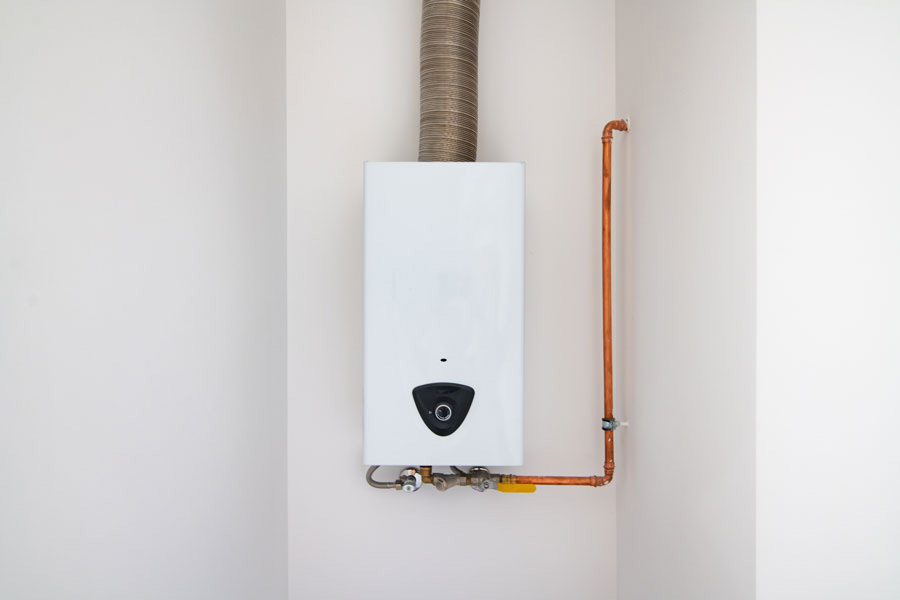
Did you know that tankless water heaters can provide hot water on demand, eliminating the need for bulky storage tanks? If you’re considering making the switch in your Tacoma home, there are a few key factors to think about first. Understanding your hot water needs and the installation process can make all the difference in ensuring a successful upgrade. Let’s investigate what you need to know before diving into the installation.
Understanding Tankless Water Heaters
When you’re considering upgrading your home’s hot water system, understanding tankless water heaters can make a big difference.
Unlike traditional water heaters, tankless models heat water on demand, meaning you won’t run out of hot water during peak usage times. They’re compact, saving valuable space in your home, and their energy efficiency can lead to lower utility bills.
You’ll find that these heaters have a longer lifespan compared to conventional units, often lasting over 20 years with proper maintenance.
Installation can be straightforward, but it’s crucial to choose the right size based on your household’s needs.
Before making a decision, think about your water usage patterns.
Tankless systems work best for homes with moderate to low hot water demands. Additionally, many homeowners appreciate the energy-efficient systems that not only provide instant hot water but also help in reducing energy bills over time.
Benefits of Installing a Tankless Water Heater
Installing a tankless water heater brings numerous advantages that can greatly improve your home’s comfort and efficiency.
First, you’ll enjoy an endless supply of hot water, meaning you can shower, do laundry, and wash dishes simultaneously without running out. This reliability is perfect for busy households.
Next, tankless systems are more energy-efficient than traditional water heaters. They only heat water when you need it, leading to lower utility bills.
Plus, their compact size frees up valuable space in your home.
Maintenance is simpler, as tankless units typically last longer than conventional models, often exceeding 20 years.
You’ll find that many come with advanced technology, providing better control over your water temperature and usage. Additionally, opting for a tankless water heater can lead to reliable hot water access, ensuring your daily routines remain uninterrupted.
Key Considerations Before Installation
Enjoying the benefits of a tankless water heater means you’re ready for an upgrade, but there are several key considerations to keep in mind before installation.
First, assess your household’s hot water needs. Consider the number of fixtures you’ll use simultaneously, as tankless systems provide hot water on demand.
Next, check your home’s gas or electrical supply; these heaters require adequate energy sources for peak performance.
You should also evaluate your plumbing system, ensuring it’s compatible with the new unit.
Furthermore, think about the unit’s location—proper ventilation is essential for gas models.
Lastly, don’t forget about local building codes and permits; compliance is necessary to avoid any issues. Additionally, you might want to consult with professional plumbers in Tacoma, WA, who can provide expert guidance on the installation process and ensure everything is up to code.
Step-by-Step Installation Process
Before diving into the installation process, it’s crucial to gather all necessary tools and materials to guarantee a smooth experience.
You’ll need a tankless water heater, pipe fittings, a wrench, screwdrivers, Teflon tape, and a multimeter for electrical connections.
Start by turning off the power and water supply to your existing water heater.
Disconnect the old unit and remove it carefully.
Next, mount the new tankless heater on a wall, making sure it’s securely fastened.
Connect the water lines, using the appropriate fittings to prevent leaks.
After that, hook up the gas or electrical supply, depending on your model.
Follow the manufacturer’s instructions for this step to guarantee safety.
Once everything’s connected, turn the water and power back on.
Finally, perform water leak detection and test the system to confirm it’s heating water properly.
With the help of trained technicians, you can enjoy the efficiency of your new tankless water heater!
Maintenance Tips for Your Tankless Water Heater
To keep your tankless water heater running efficiently, regular maintenance is essential. Start by flushing the system annually to remove mineral buildup, especially if you have hard water. This helps prevent clogs and maintains peak performance.
Check the filters and clean or replace them as needed; this keeps your system free from debris and guarantees proper water flow. Inspect the vents and exhaust regularly for blockages to maintain safety and efficiency.
Listen for unusual noises, as they can indicate issues that may need immediate attention. Additionally, examine the temperature settings—ideally, it should be around 120°F for maximum comfort and energy efficiency.
Finally, consider scheduling professional maintenance with a trusted service provider like Dear Services. They can identify potential problems early and keep your system running smoothly.

Conclusion
To sum up, embracing the wonders of a tankless water heater isn’t just a home upgrade; it’s a revolution in your hot water experience! Imagine a world where hot water flows endlessly, and energy bills shrink like a magic trick. By following this guide, you’re not just installing a unit; you’re transforming your home into a sanctuary of efficiency and comfort. So go ahead, take the plunge—your future self will thank you for this magnificent leap into hot water bliss!