

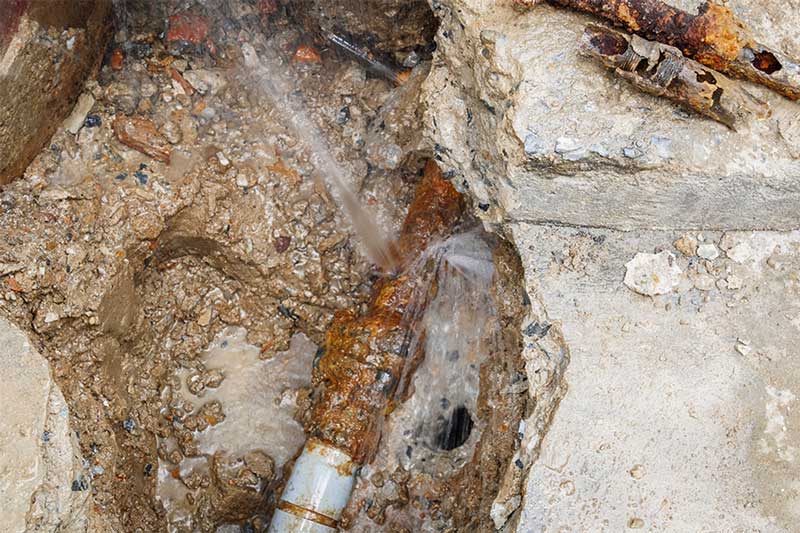
When your home experiences a little indoor rain, it’s essential to act swiftly and efficiently. You might be wondering how to tackle the situation without causing more chaos. By following some expert tips, you can effectively manage water leaks and safeguard your property. Let’s explore the key steps that can help you mitigate damage and guarantee your home remains a safe haven.
Identify the Source of the Leak
Have you noticed water stains on your ceiling or walls? If so, it’s essential to identify the source of the leak quickly. Start by inspecting the area around the stains for any visible cracks or dampness.
Check your roof for missing shingles or damaged flashing, as these are common culprits. Don’t forget to examine your plumbing fixtures, pipes, and appliances like washing machines or dishwashers. A simple visual inspection often reveals hidden leaks.
Next, consider the possibility of condensation from HVAC systems. If you’ve got a basement or crawl space, look for moisture accumulation there too.
Sometimes, leaks can originate from neighboring areas, so keep an open mind. Once you pinpoint the source, you’ll be better equipped to address the issue effectively. Taking these steps helps prevent further damage and guarantees your home stays dry and comfortable. Remember, small leaks can lead to significant damage if not addressed promptly, so it’s wise to seek reliable water leak repair services as needed.
Turn Off the Water Supply
When a leak is discovered, the first thing you should do is turn off the water supply to prevent further damage.
Locate the main shutoff valve, usually found near your water meter. If you can’t find it, check under sinks or near your water heater.
Once you’ve located the valve, turn it clockwise until it’s fully closed. This simple action can save you from costly water damage and mold growth.
If the leak is localized to a specific fixture, you might opt to shut off the individual valve for that fixture instead.
Make sure to test the faucet or appliance after closing the valve to confirm that the water flow has stopped.
Remember, acting quickly is vital. In emergencies, it’s crucial to have access to 24/7 emergency plumbing services to address the issue promptly.
Once the water supply is off, you can proceed with evaluating the leak and planning your repair without the worry of additional water escaping.
Assess the Damage
Once you’ve turned off the water supply, it’s time to assess the damage.
Start by identifying the leak’s source and checking all affected areas for any signs of water damage.
Documenting these details will help you plan your next steps for repair effectively. Additionally, consider contacting a professional for efficient water leak detection to ensure all leaks are accurately located and addressed.
Identify Leak Source
As you tackle a water leak, identifying the source is essential to preventing further damage and costly repairs.
Start by examining common leak areas, focusing on where water appears or where you’ve noticed moisture. Check for signs on walls, ceilings, and floors.
Here’s what to look for:
- Pipes: Inspect exposed pipes for cracks or corrosion.
- Fixtures: Examine sinks, toilets, and bathtubs for leaks around seals and joints.
- Appliances: Look at washing machines, dishwashers, and refrigerators for any leakage.
- Basements and Crawlspaces: Check for dampness or pooling water, which can indicate a hidden leak.
Identifying the leak source quickly will save you time and money in the long run.
Document Affected Areas
It’s crucial to document the affected areas to assess the damage accurately. Start by taking clear photographs of the leak’s location, capturing any visible water damage, mold, or structural issues.
Make notes on the extent of the damage, including wet drywall, flooring, or insulation. Record measurements to help professionals determine the best repair approach.
If you notice any unusual odors or signs of mold, document those too. This information will be invaluable for your insurance claims and for the repair team to understand the situation better.
Use Temporary Fixes
While you wait for a professional to address a water leak, using temporary fixes can help minimize damage and keep your home safe. Quick solutions can prevent further issues until the experts arrive.
Here are some effective temporary fixes you can try:
- Duct Tape: Wrap duct tape around the leak; it’s a quick way to seal small holes in pipes.
- Plastic Bags: If the leak is from a pipe joint, wrap a plastic bag around it to catch drips until repairs are made.
- Bucket: Place a bucket under the leak to collect water and avoid damage to floors or ceilings.
- Epoxy Putty: Use epoxy putty to patch small holes in pipes temporarily; it cures quickly and can hold up against water pressure.
Additionally, it’s important to note that water heater repair services are available to address leaks and other issues effectively. These fixes won’t last forever, but they’ll help you manage the situation until help arrives.
Contact a Professional
After using temporary fixes to manage a water leak, it’s time to get professional help. You might think you can handle it on your own, but leaks can lead to more extensive damage if not addressed properly.
A qualified plumber knows how to identify the source of the leak and provide lasting solutions.
By choosing Dear Services, you’ll benefit from expert repairs and upfront pricing, ensuring no hidden costs catch you off guard. They offer 24/7 emergency services, so you can rest easy knowing help is always available.
Plus, with their flexible financing options, making necessary repairs won’t break the bank.
Don’t wait for the problem to escalate; contact a professional today. A reliable service won’t only fix the leak but also help you maintain your home’s overall health, giving you peace of mind.
Trust the experts to get the job done right the first time.
Prevent Future Leaks
To prevent future leaks, you should focus on regular maintenance checks for your plumbing system.
Inspecting connections and upgrading old fixtures can save you from costly repairs down the line.
Taking these proactive steps will help keep your home safe and dry.
Regular Maintenance Checks
Regular maintenance checks are essential for preventing future leaks and guaranteeing your home remains comfortable.
By taking the time to inspect your plumbing and related systems regularly, you can catch issues before they escalate into costly repairs.
Here are a few key maintenance tasks you should consider:
- Inspect and clean gutters to prevent water overflow.
- Check for signs of moisture around pipes and fixtures.
- Test your sump pump to verify it’s functioning properly.
- Replace worn-out seals and hoses in appliances like dishwashers and washing machines.
Inspect Plumbing Connections
Since plumbing connections play an essential role in maintaining your home’s integrity, inspecting them regularly can help prevent future leaks.
Start by checking the joints and fittings for signs of wear or corrosion. Look for any water stains or dampness around these areas, as they can indicate potential issues.
Don’t forget to tighten loose connections, as they can lead to leaks over time. If you notice any cracks or damage, consider replacing the affected parts immediately.
Additionally, inspect hoses and pipes for any kinks or bulges that might compromise their integrity.
Upgrade Old Fixtures
Upgrading old fixtures not only enhances your home’s aesthetic but also greatly reduces the risk of leaks.
Older fixtures can develop cracks and corrosion over time, leading to potential water damage. By investing in new, high-quality fixtures, you’ll not only improve your home’s look but also guarantee reliable performance.
Consider these benefits when upgrading:
- Modern materials: New fixtures often use durable materials that resist wear and tear.
- Better seals: Updated designs come with improved seals that prevent leaks.
- Energy efficiency: Many new fixtures conserve water, lowering your utility bills.
- Increased value: Upgraded fixtures can boost your home’s market value.
Don’t wait for leaks to appear—make the switch today for peace of mind!
Keep Maintenance Records
Keeping maintenance records is essential for preventing future water leaks and ensuring your home stays comfortable. By documenting repairs, inspections, and any upgrades, you can identify patterns and potential issues before they escalate. When you notice repeated problems with plumbing or fixtures, these records will help you pinpoint the source and decide whether to repair or replace.
Make it a habit to note the dates and details of all maintenance work. This not only keeps you organized but also assists any professionals you hire later. They’ll appreciate having access to your history, making it easier to diagnose issues quickly.
Additionally, if you ever sell your home, these records can provide potential buyers with confidence in the home’s upkeep.
Conclusion
When a water leak strikes, it can feel overwhelming, but remember, swift action can turn chaos into calm. By identifying the source, shutting off the water, and making temporary fixes, you’re taking control. While the thought of costly repairs looms, engaging a professional can bring peace of mind. Embrace the opportunity to prevent future leaks and keep your home healthy. Don’t let a small drip drown your spirit—take charge, and your home will thank you.